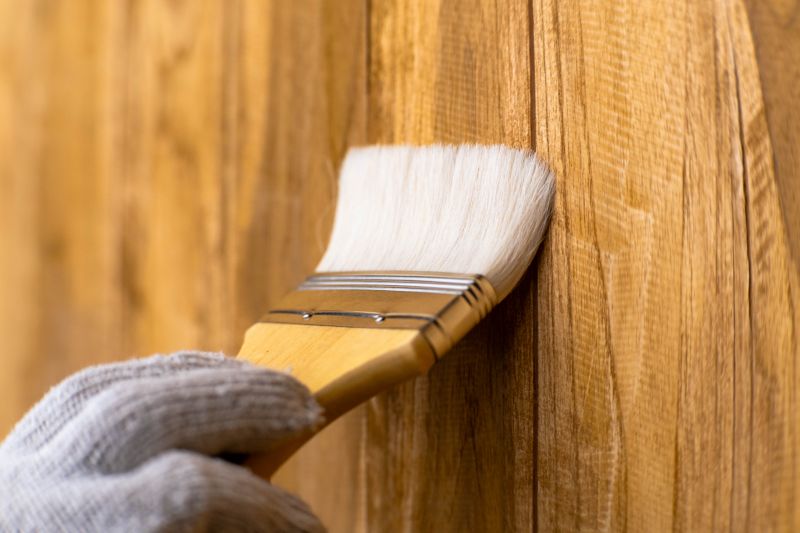
Interior Trim Staining in Wilmington, NC
Interior trim staining services involve applying a durable stain to woodwork such as baseboards, crown molding, window casings, and door frames to enhance their appearance and protect the surfaces. This process can be used to refresh existing woodwork or to match new trim with the surrounding decor. Homeowners often request this service when updating interior design, restoring the beauty of older wood features, or achieving a consistent look throughout a space. Projects can range from small touch-ups to extensive renovations, including staining new installations or refinishing existing trim to improve aesthetics and durability.
Before requesting interior trim staining, property owners should consider the type of wood and finish currently present, as well as the desired color and level of sheen. It’s also helpful to understand the condition of the wood, such as whether it has existing finishes that need to be stripped or sanded before staining. Clear communication about the preferred stain color, the scope of the project, and any specific expectations can help ensure the results align with the homeowner’s vision. Proper preparation and understanding of these factors contribute to a smooth staining process and a polished final appearance.
Many property owners in Wilmington, NC look into Interior Trim Staining for repairs, replacements, upgrades, and appearance-related improvements.
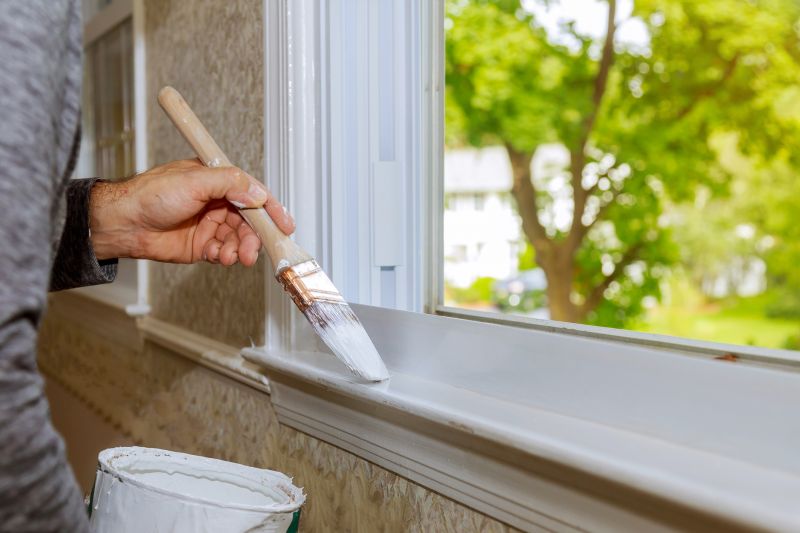
Enhancing Interior Woodwork
Staining interior trim can refresh and elevate the look of wood surfaces throughout homes and commercial spaces.
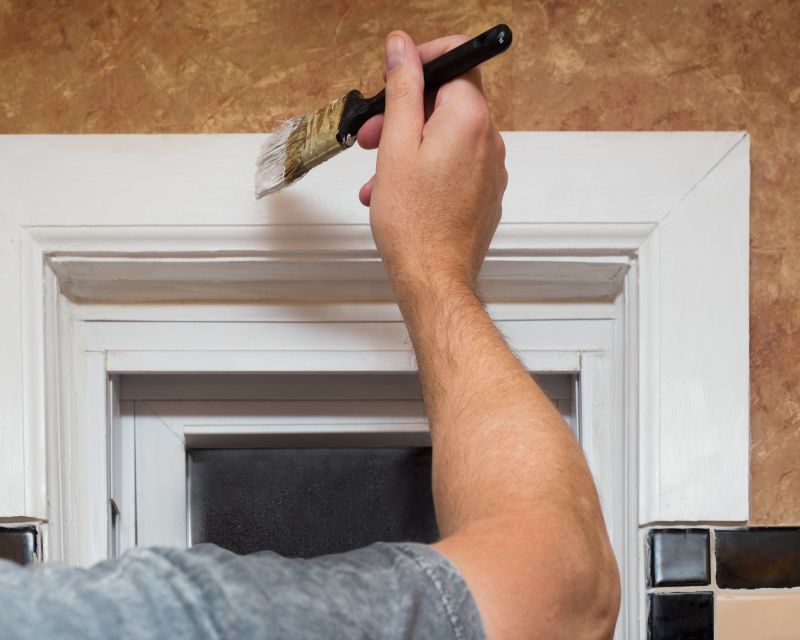
Custom Color Finishes
Choose from a variety of stain shades to match or update existing decor in wilmington properties.
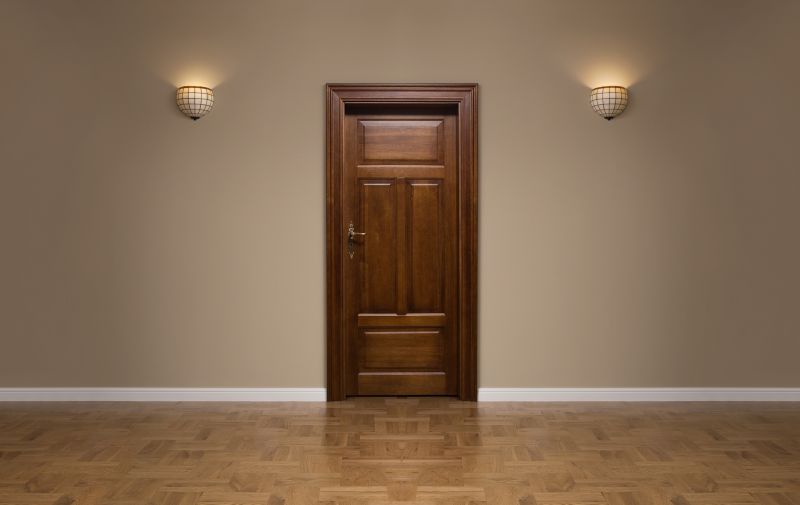
Protecting Interior Surfaces
Proper staining helps preserve wood trim from daily wear and tear while adding a polished appearance.
Interior Trim Staining in Wilmington, NC

Interior trim staining services involve applying a durable stain to woodwork such as baseboards, crown molding, window casings, and door frames to enhance their appearance and protect the surfaces. This process can be used to refresh existing woodwork or to match new trim with the surrounding decor. Homeowners often request this service when updating interior design, restoring the beauty of older wood features, or achieving a consistent look throughout a space. Projects can range from small touch-ups to extensive renovations, including staining new installations or refinishing existing trim to improve aesthetics and durability.
Before requesting interior trim staining, property owners should consider the type of wood and finish currently present, as well as the desired color and level of sheen. It’s also helpful to understand the condition of the wood, such as whether it has existing finishes that need to be stripped or sanded before staining. Clear communication about the preferred stain color, the scope of the project, and any specific expectations can help ensure the results align with the homeowner’s vision. Proper preparation and understanding of these factors contribute to a smooth staining process and a polished final appearance.
Many property owners in Wilmington, NC look into Interior Trim Staining for repairs, replacements, upgrades, and appearance-related improvements.
Common Interior Trim Staining Jobs
Interior trim staining - enhances the appearance of woodwork with a fresh, uniform finish.
Door and window casings - restores color and detail to worn or faded wood trim.
Baseboards and crown molding - adds depth and character through precise staining techniques.
Built-in shelving and decorative trim - revitalizes wood features with a polished, consistent look.
Custom staining projects - offers tailored color options to match existing décor or design themes.
Wood accent features - improves the visual appeal of interior wood elements with professional staining.
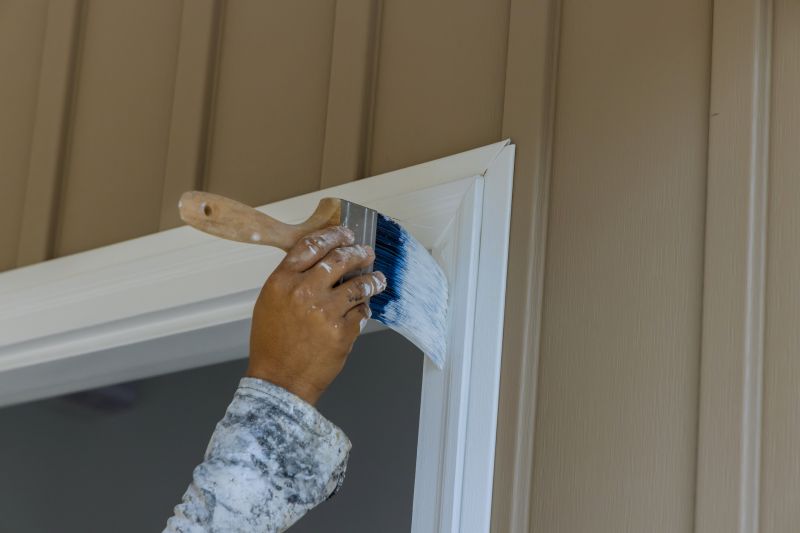
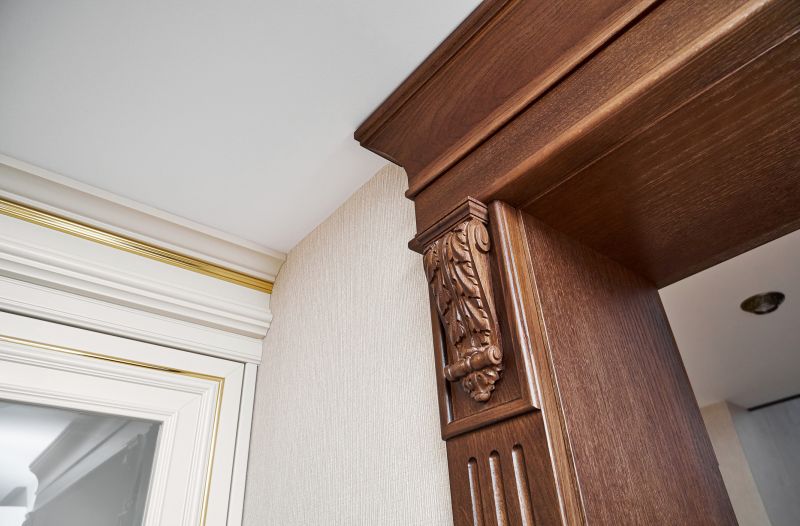
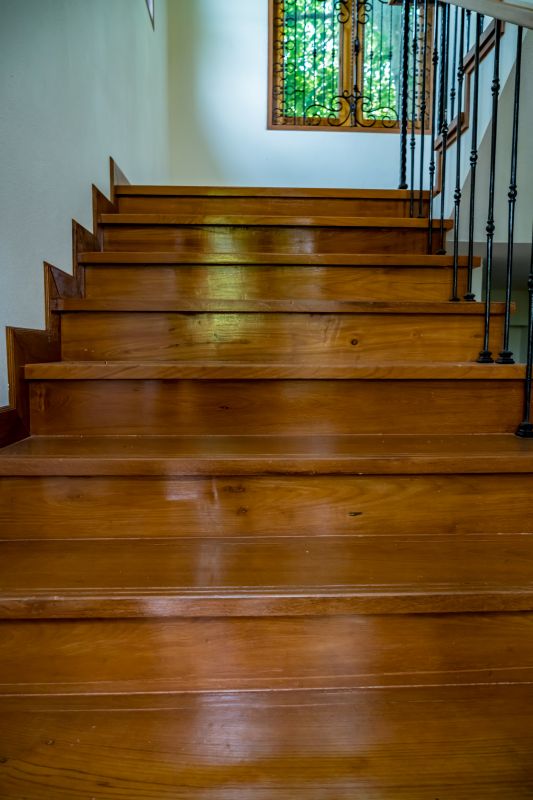
Interior Trim Staining Questions
What types of interior trim can be stained? Various wood trims such as baseboards, crown molding, door casings, and window frames can be stained to enhance their appearance.
Is staining suitable for all wood types? Staining works best on porous woods like oak, pine, and maple, helping to highlight their natural grain and character.
Can staining be done on previously painted trim? Staining is generally not recommended on painted surfaces; it is most effective on unfinished or bare wood.
What finishes are available after staining? Clear protective finishes like polyurethane or varnish are commonly applied to seal and protect stained trim surfaces.
Request Interior Trim Staining in Wilmington, NC
Use the quote form on this page to share the basics of your project and request more information for the type of work you need.